Course Introduction
Renewal prep
Professional Cloud Architect Renewal
Refresh Google Cloud architecture patterns, trade-offs, and exam scenarios so you can renew confidently.
Want to pass faster?
Get practice tests + the latest deals/discount codes
Complete Renewal Course (Udemy)
A focused course aligned to PCA Renewal objectives. Not free: 87% off with the coupon below.
Opens in a new tab Udemy purchase terms apply
Architect patterns
Compute, storage, networking, and security choices with rationale.
Diagrams & decisions
Decision trees and references for landing zones, hybrid, and resilience.
Security & governance
IAM, org policies, VPC SC, and controls that show up in renewal questions.
Status
Renewal guide live—more practice sets and diagrams are added regularly.
Renewal Focus: Decision-Making + Modern Services
The renewal exam is a streamlined validation of up-to-date architecture skills, emphasizing modern services, GenAI integration, and the Architecture Framework.
Exam Overview
Format: 25 multiple-choice questions (single and multiple select)
Duration: 60 minutes
Prerequisite: Active or recently expired Professional Cloud Architect certification
Focus: Architecture decisions, modern services (GenAI), and case studies
Key Differences from the Standard Exam
Generative AI integration: design with Vertex AI and Gemini.
Modernization: shift from lift-and-shift to Cloud Run and GKE Autopilot.
Efficiency: align answers to Architecture Framework pillars (Reliability, Security, Cost Optimization, Operational Excellence, Performance, Sustainability).
Exam Domains Breakdown
Open each domain to review key topics.
Domain 1: Designing & planning (~30%)
Compute selection: Compute Engine vs GKE vs Cloud Run.
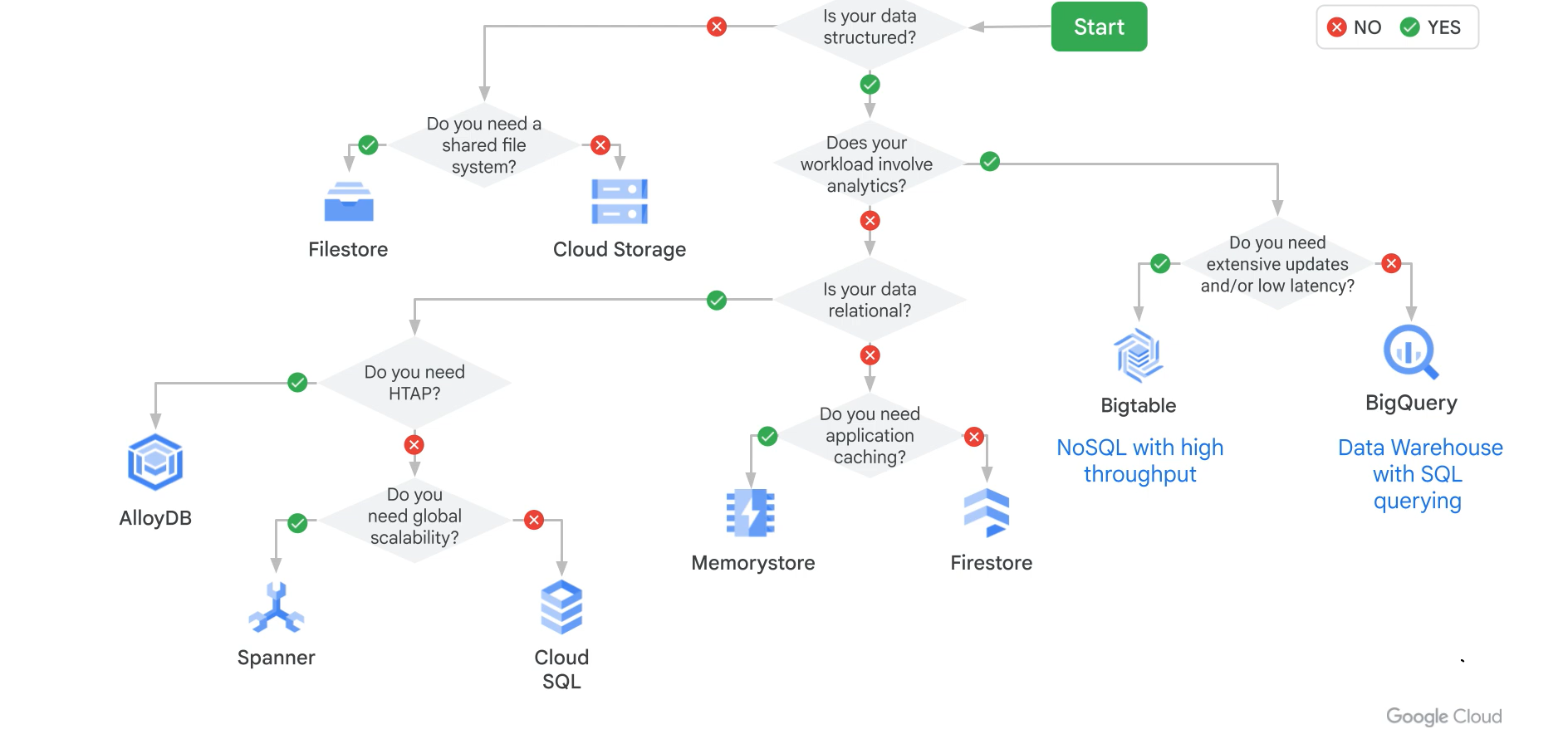
Storage selection: Cloud SQL vs Spanner; Firestore vs Bigtable; BigQuery for warehousing.
GenAI integration: Vertex AI Agent Builder (Search/Conversation) and Model Garden.
Domain 2: Managing & provisioning (~40%)
Networking: VPN vs Interconnect, global external ALB vs regional internal LB.
Private Service Connect: private access to Google APIs and managed services.
Infrastructure as code: Terraform / Deployment Manager.
Domain 3: Security & compliance (~20%)
IAM: least privilege; primitive vs predefined vs custom roles.
Org policies: constraints at org, folder, project levels.
Security Command Center: detect threats and vulnerabilities.
Supply chain security: Binary Authorization for GKE/Cloud Run.
AI security: protect GenAI models/data with IAM and VPC Service Controls.
Domain 4: Managing implementation (~10%)
Observability: Cloud Logging, Monitoring, Trace.
Reliability: HA, DR, circuit breaker pattern, post-mortems.
Critical Technical Topics to Review
Generative AI & Vertex AI
Vertex AI Studio: prompt engineering and tuning.
Model Garden: Gemini, PaLM, Llama foundation models.
Agent Builder: Search and Conversation for enterprise apps.
Gemini for Google Cloud: Code Assist and Security Operations.
Modern compute
Cloud Run: stateless HTTP containers, custom domains, secrets.
GKE Autopilot: preferred managed mode; use Standard for custom configurations.
Data & analytics
BigQuery: slots, partitioning, clustering for cost optimization.
Database Migration Service: lift MySQL/PostgreSQL to Cloud SQL/AlloyDB.
Case Studies
Expect 10-15 questions tied to a case study.
Cymbal Retail
Goals: personalized shopping, supply chain modernization, migrate to microservices (GKE).
Watch for: global availability and minimal downtime during peaks.
Altostrat Media
Goals: content processing, rights management, reduce data center footprint.
Watch for: Interconnect for large file transfers and storage class selection.
Strategic Advice
Avoid anti-patterns: no manual SSH fixes or blanket Owner roles.
Managed over self-managed: Cloud SQL over DIY MySQL; Cloud Run over custom VM fleets.
The Google Way: align choices to Architecture Framework pillars; cost vs reliability trade-offs.
Flashcards
Architectural guardrails, services, and trade-offs
Question Text
Click to reveal answerAnswer Text
Architecture Decision Diagrams
Click a title to show/hide reference diagrams.
Storage & Data Decision
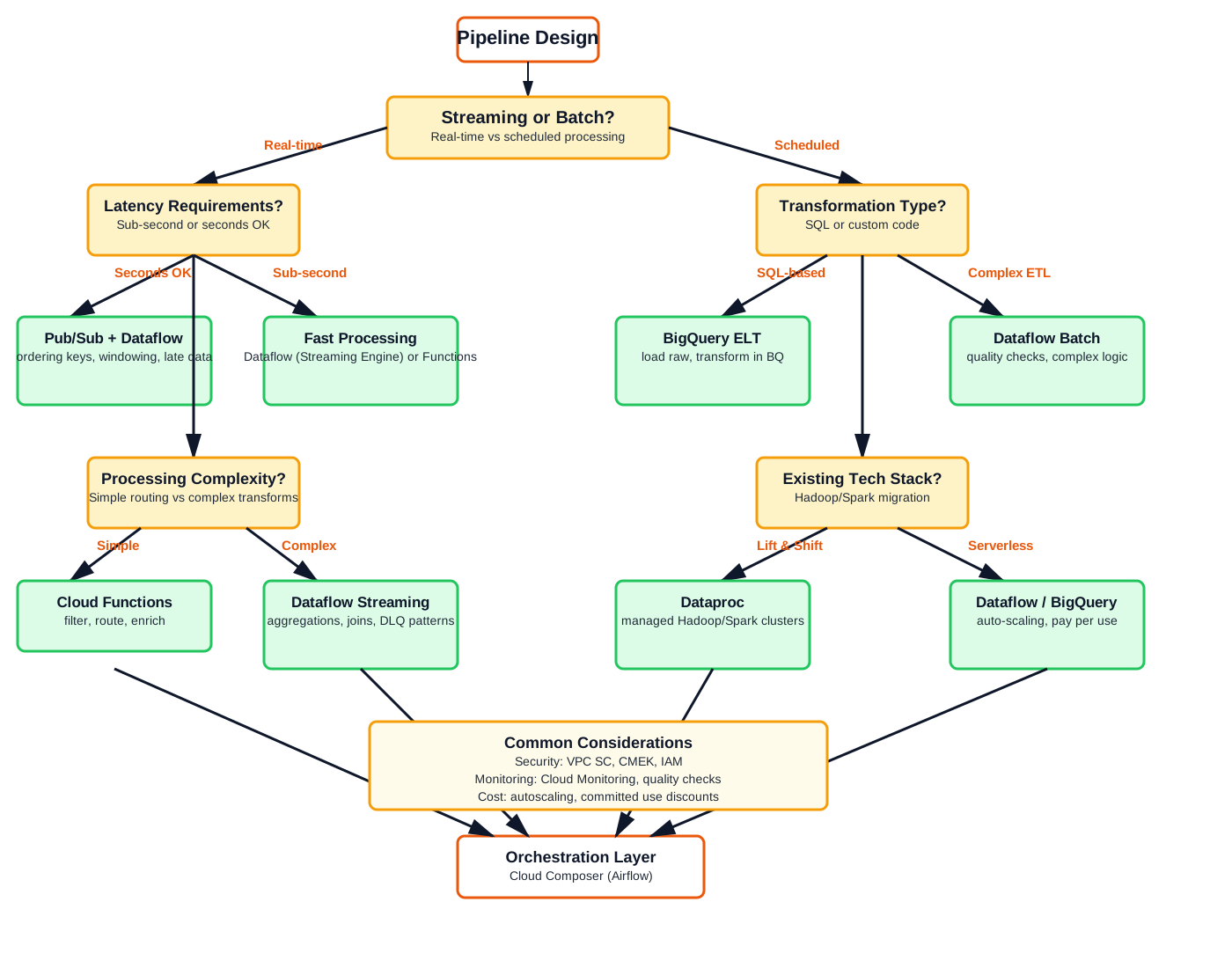
Ingestion & Analytics
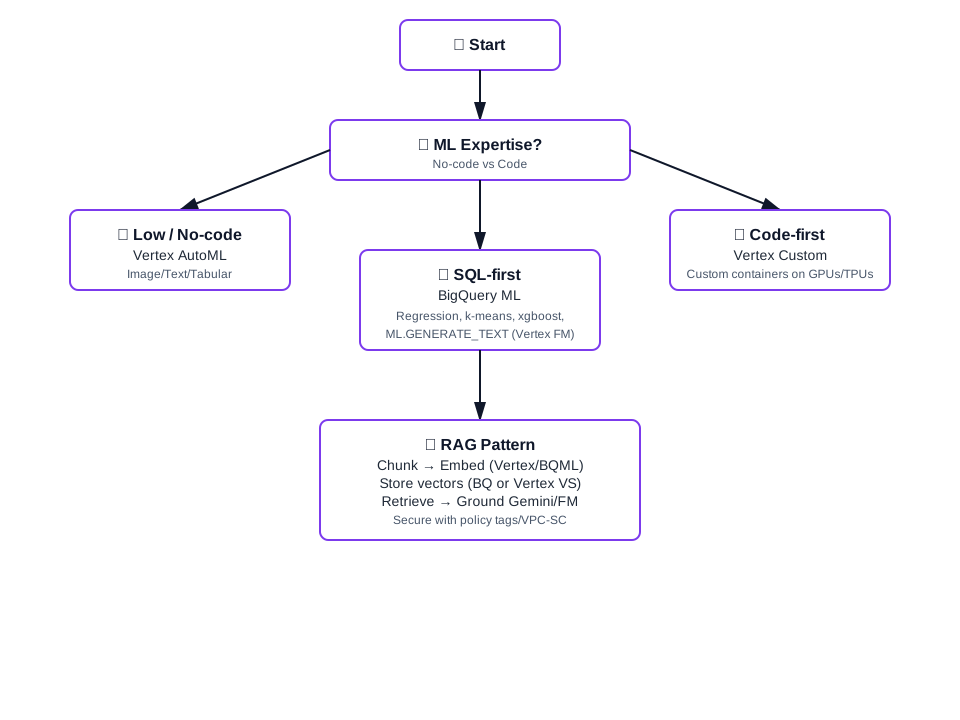
Zero Trust & ML Guardrails
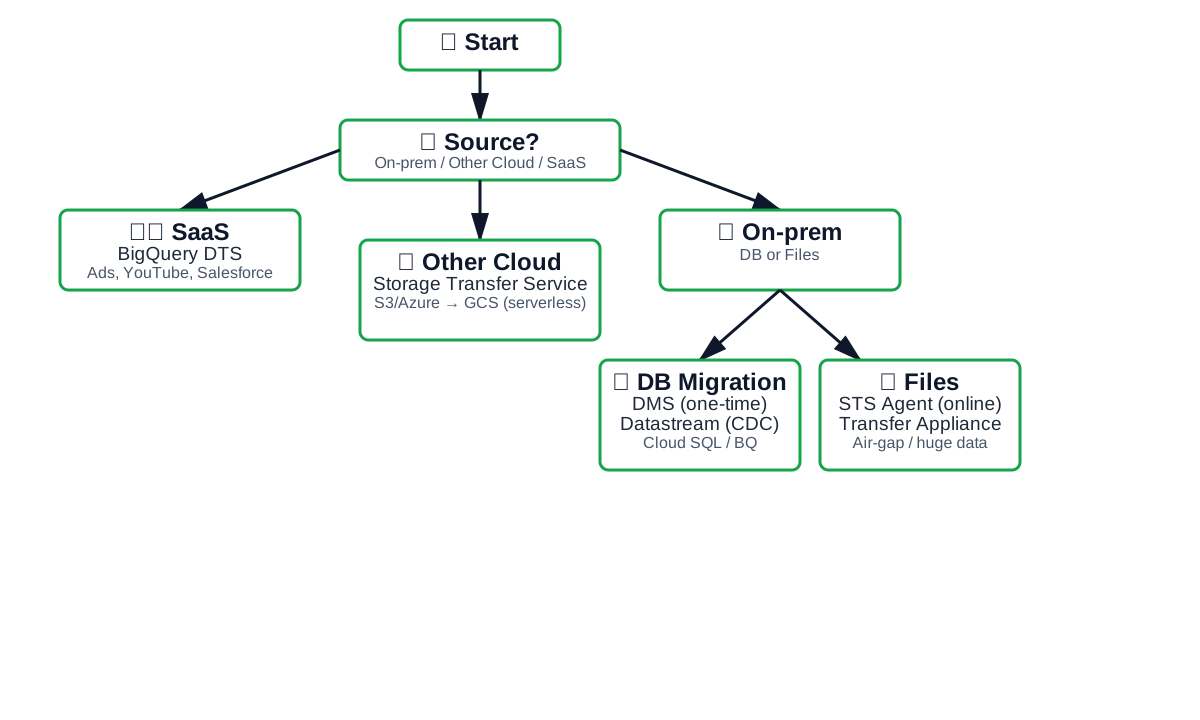
Migration & Hybrid Paths
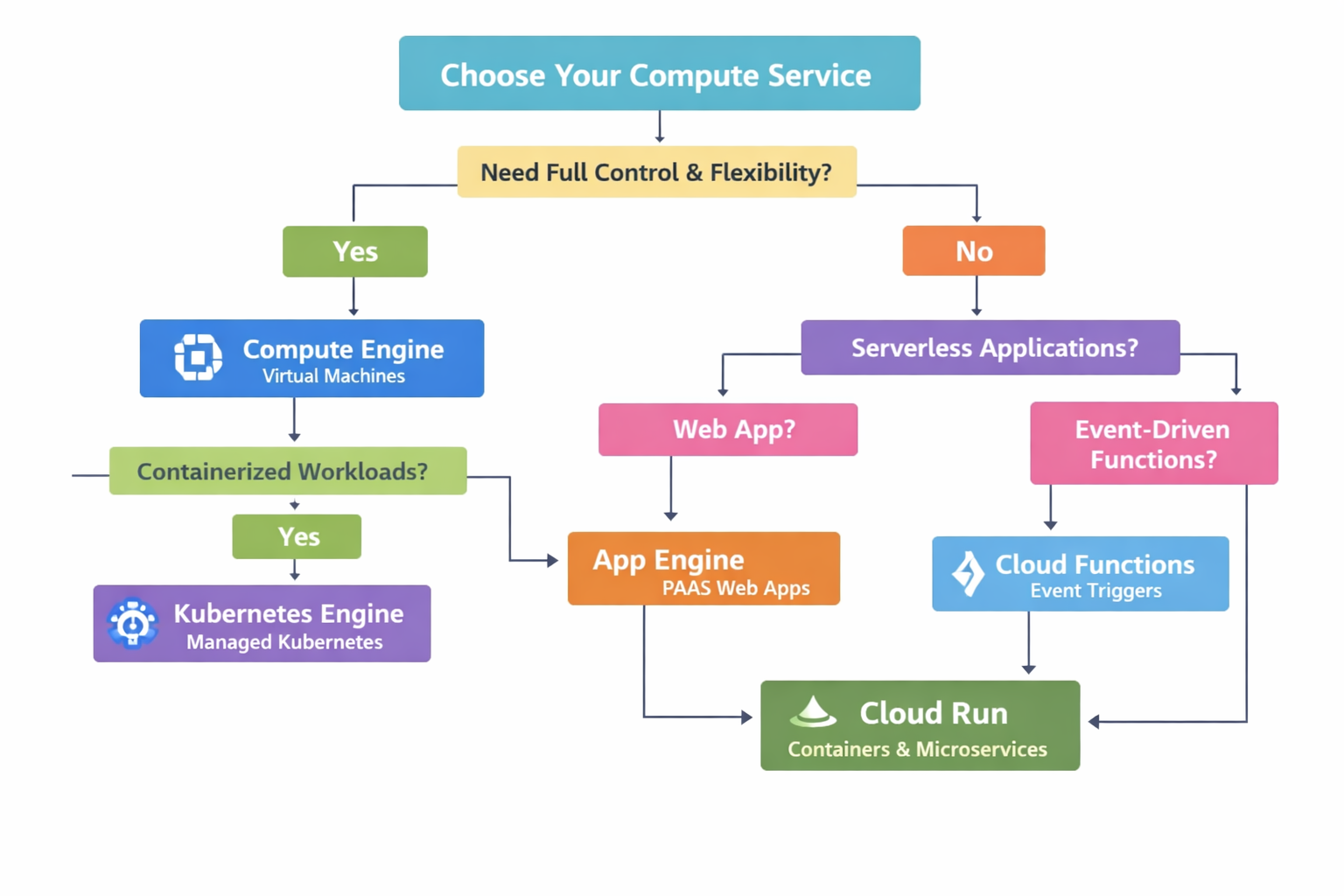
Compute Decision Tree
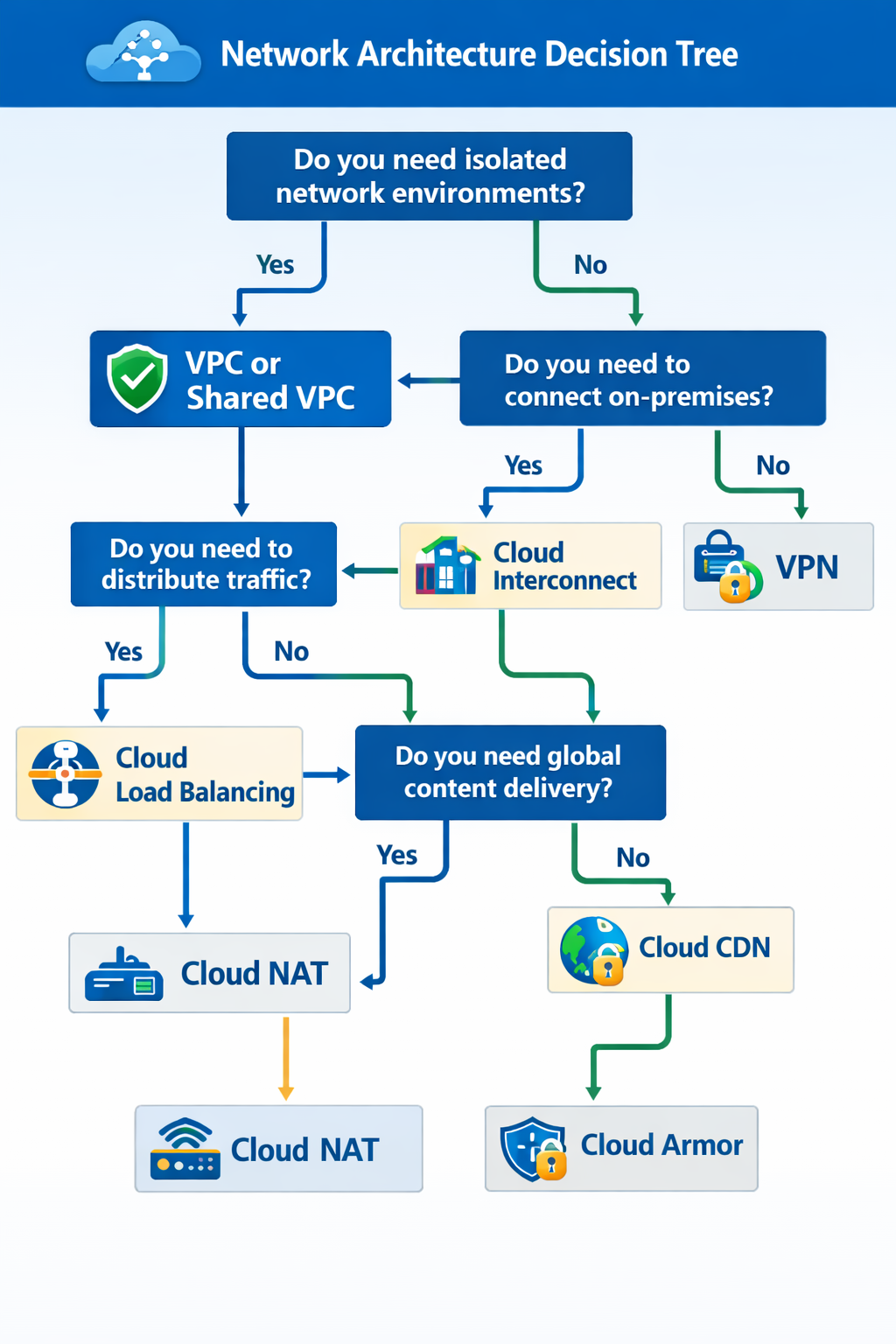
Network Decision Tree
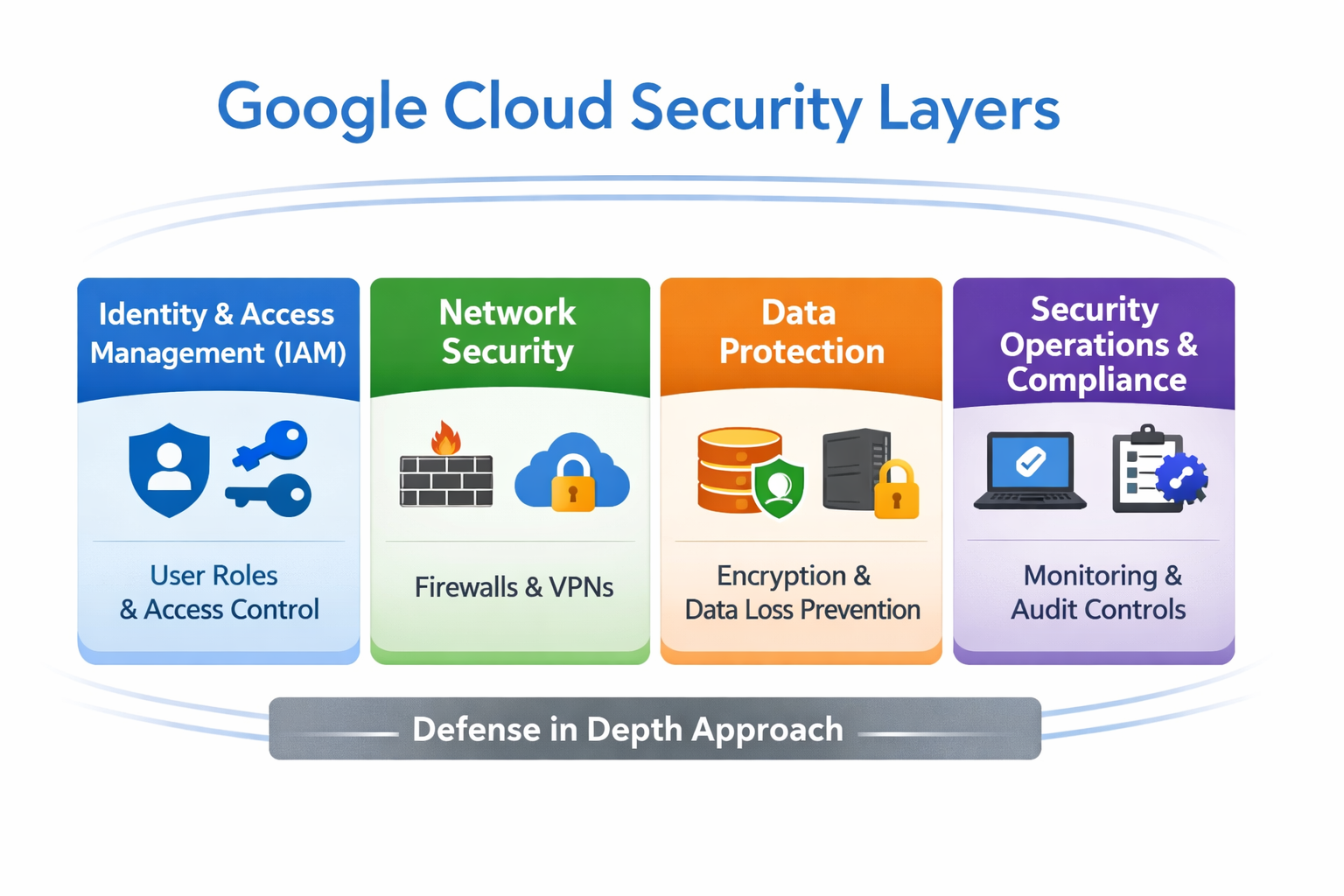
Security Layers Reference